
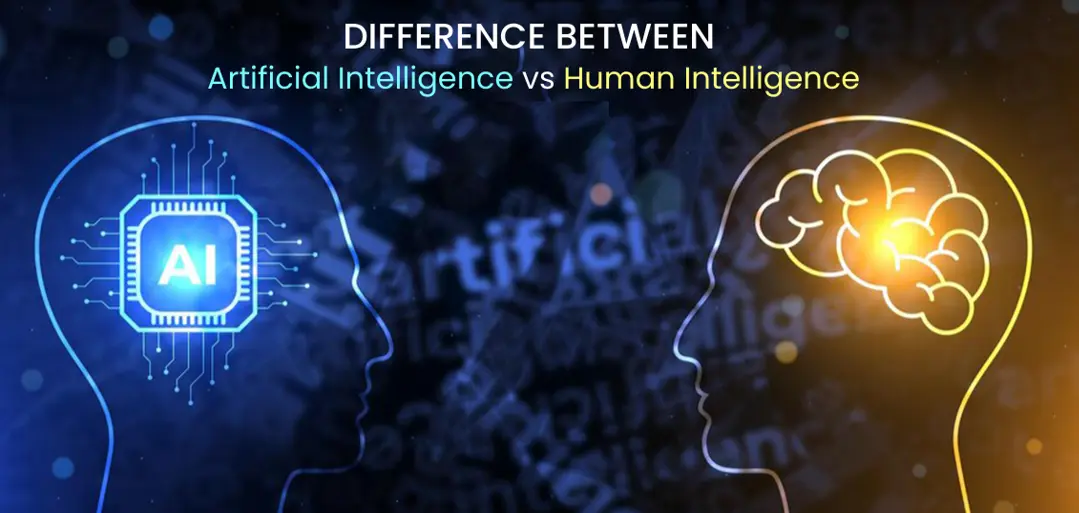
Definition
Artificial intelligence vs human intelligence begins with their fundamental nature. Artificial intelligence is based on machine learning and algorithms learning from data patterns to automate tasks. Its a digital silicon based and created by humans. Human intelligence is biological shaped by millions of years of evolution, emotions, experiences, and common sense. AI excels in narrow specific tasks while human intelligence is highly versatile seen in areas like leadership or counseling. AI’s nature is simulated where human intelligence is innate and adaptive.
Structure And Substrate Diffrences
The human brain is a complex network of billions of biological neurons carbon based highly energy efficient and naturally flexible. Artificial intelligence vs human intelligence shows AI relies on silicon chips and artificial neural networks offering superior speed but lacking biological constraints. This structure allows easy scaling add more servers to increase power while the human brain is limited by its biological boundaries.
Learning Methods One Shot vs Multishot
Humans excel at one shot learning they grasp concepts from just a few examples generalizing quickly. Ai vs human intelligence reveals AI depends on multishot training requiring millions or billions of data points to achieve proficiency. Machine learning models like neural networks learn patterns from vast datasets but struggle with completely new situations.
Decision-Making Processes

AI makes objective, data driven decisions based on probabilities and algorithms, without emotions. Artificial intelligence vs human intelligence shows humans are subjective, influenced by intuition, ethics, cultural values, and emotions. Cognitive biases affect human decisions yet they also enable creative innovative solutions. AI is consistent but weak in moral dilemmas such as in autonomous systems.
Creativity and Imagination
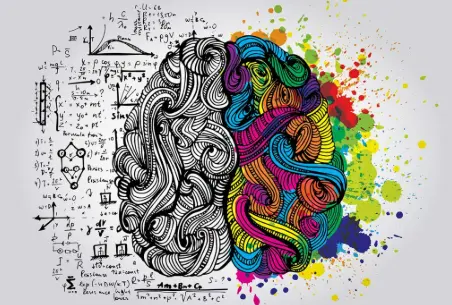
Humans possess true imagination they can conceive things that don’t exist, create new stories, inventions, and art. Ai vs human intelligence highlights that AI only recites and remixes patterns from its training data ( Genuine originality and the spark of genius remain exclusive to humans.
Adaptability and Resilience
Humans quickly adjust to changing environments using common sense and resilience. Artificial intelligence vs human intelligence shows AI adapts only through retraining with new data and often fails in edge cases. Humans learn emotionally from failure and become stronger while AI simply iterates without true personal growth.if you want to know more about Artificial Intelligence visit our site Eaglebrandwings
Speed, Efficiency, and Endurance
AI processes massive amounts of data in seconds and works 24/7 without fatigue. Artificial intelligence vs human intelligence gives AI the edge in heavy computation and pattern recognition. Humans are slower but superior in contextual, nuanced tasks requiring emotional understanding.
Error Rate and Cognitive Biases
AI has low error rates if trained on clean data, but it can amplify biases from flawed datasets. Ai vs human intelligence reveals humans make mistakes due to cognitive biases rooted in evolution but they can self correct through reflection.if you want enchance your knowledge about ai vs human intelligence visit simpleilearn site
Ethics, Morality, and Empathy
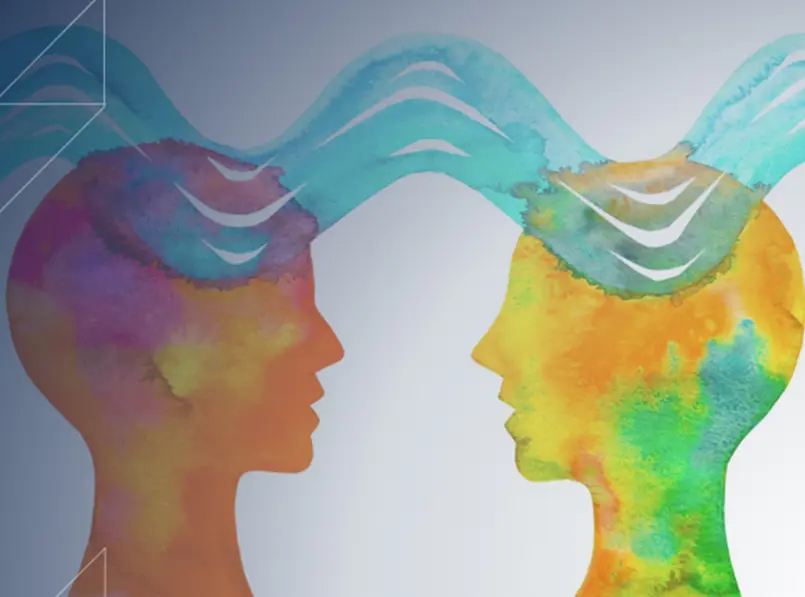
Humans are guided by conscience, empathy, and moral understanding shaped by society and experience. Artificial intelligence vs human intelligence shows AI has no inherent ethicsonly programmed rules. This creates risks in hiring algorithms weapons systems or medical decisions where empathy is crucial.
Social Interaction and Emotional Intelligence
Humans instantly read body language, tone, sarcasm and cultural cues forming deep emotional bonds. Ai vs human intelligence shows AI chatbots simulate conversation well but still miss subtle nuances and genuine human connection.
Multitasking Capabilities

AI handles parallel tasks efficiently . Artificial vs human intelligence shows humans switch contexts fluidly and think across domains though limited by working memory while AI is highly scalable.
Physical Limitations and Endurance
Humans are bound by biology needing sleep, food and rest. Artificial intelligence vs human intelligence gives AI endless endurance but it relies on power hungry servers. In physical and perceptual motor tasks humans remain superior.
Pattern Recognition Strengths
AI excels at finding patterns in huge datasets. Ai vs human intelligence shows humans are better at perceptual patterns using all their senses.
Multisensory Input and Output
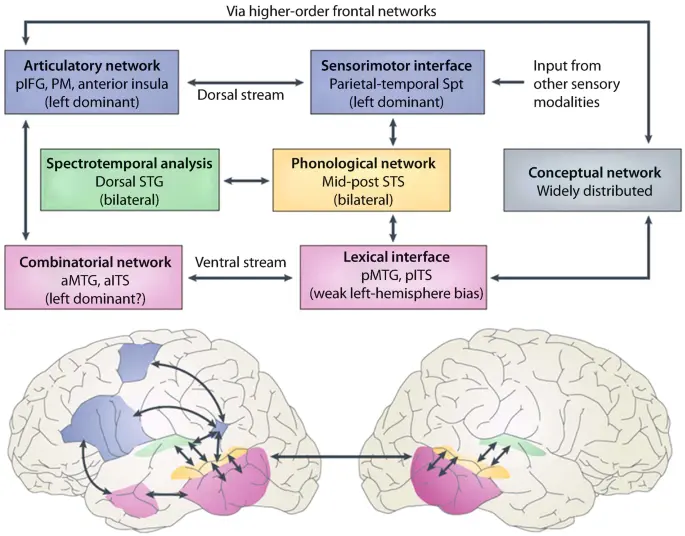
Humans integrate sight, sound, touch, smell, and taste for a complete understanding of the world. Artificial intelligence vs human intelligence shows most AI is unimodal though some systems like self driving cars use multiple sensors but still lack human level holistic perception.
Consciousness, Emotion and Common Sense
AI lacks consciousness and true emotions it only simulates responses. Artificial intelligence vs human intelligence highlights that humans experience qualia, self reflection and common sense for navigating real world situations.
Explainability and Trust Issues
Modern AI is often a black box even experts don’t fully understand its decisions. Ai vs human intelligence shows human reasoning can also be intuitive and hard to explain. Trust in both comes from consistent results not complete transparency.
Moravec’s Paradox Explained
Tasks easy for humans are hard for AI, while tasks hard for humans are easy for AI. Ai vs human intelligence demonstrates this irony stems from biological vs digital differences.
Anthropocentrism in Intelligence
Viewing human intelligence as the ultimate benchmark limits AI’s potential. Artificial intelligence vs human intelligence shows intelligence can be substrate independent and goal-oriented in different forms.
Collaboration and Teaming
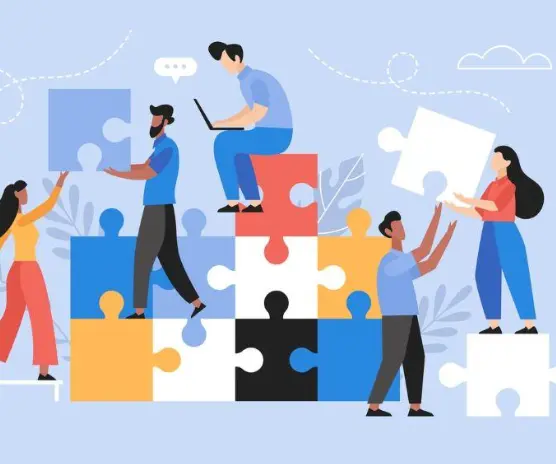
AI and humans complement each other AI handles data heavy tasks humans provide ethics and creativity. ai vs human intelligence emphasizes that narrow AI integration has the biggest short term impact and intelligence awareness training is essential.
Cognitive Capacity and Constraints
Humans have limited working memory and attention. Artificial intelligence vs human intelligence gives AI high connectivity and processing power.
Self-Awareness and Sentience
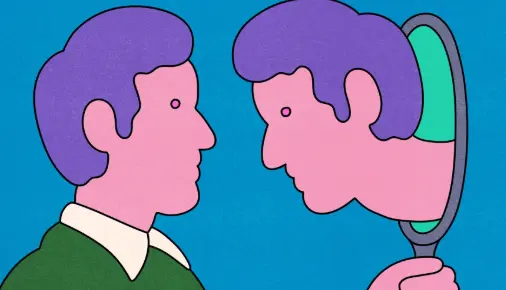
Humans have metacognition and awareness of their existence. Ai vs human intelligence shows current AI has no inner experience just input and output processing.
Humor, Sarcasm, and Linguistic Nuance
Humans easily understand context dependent humor and irony. Ai vs human intelligence reveals AI still struggles with sarcasm and subtle language.
Cultural and Contextual Understanding
Humans interpret cultural norms, idioms, and traditions through lived experience. Artificial intelligence vs human intelligence shows AI can misinterpret local or niche contexts despite vast training data.
Resilience and Learning from Failure
Humans build emotional resilience through processing setbacks. Ai vs human intelligence shows AI only iterates algorithmically without true growth.
Intuition vs Algorithmic Reasoning
Humans rely on subconscious gut feelings honed by evolution. Artificial intelligence vs human intelligence shows AI follows explicit rules without genuine intuition.
Energy Efficiency in Applications
The human brain is remarkably energy efficient. Ai vs human intelligence highlights that training large AI models consumes massive electricity raising sustainability concerns.
Evolution vs Design
Human intelligence evolved over millions of years for survival. Artificial intelligence vs human intelligence shows AI is rapidly designed by humans and depends on their foresight.
Privacy, Security, and Societal Impact
AI’s hunger for data can threaten privacy and cause job displacement. Ai vs human intelligence shows humans balance privacy through social norms.
Conclusion
Artificial intelligence vs human intelligence is not a competition but a partnership. Rather than pursuing mythical AGI, symbiosis between narrow AI and human strengths will transform healthcare, education, and innovation. Ethical frameworks and collaboration are key to a better future.



[…] Human Created. This is the path that leads straight to a google first page ranking. visit our site eaglebrandwings for knowing more ai vs […]